
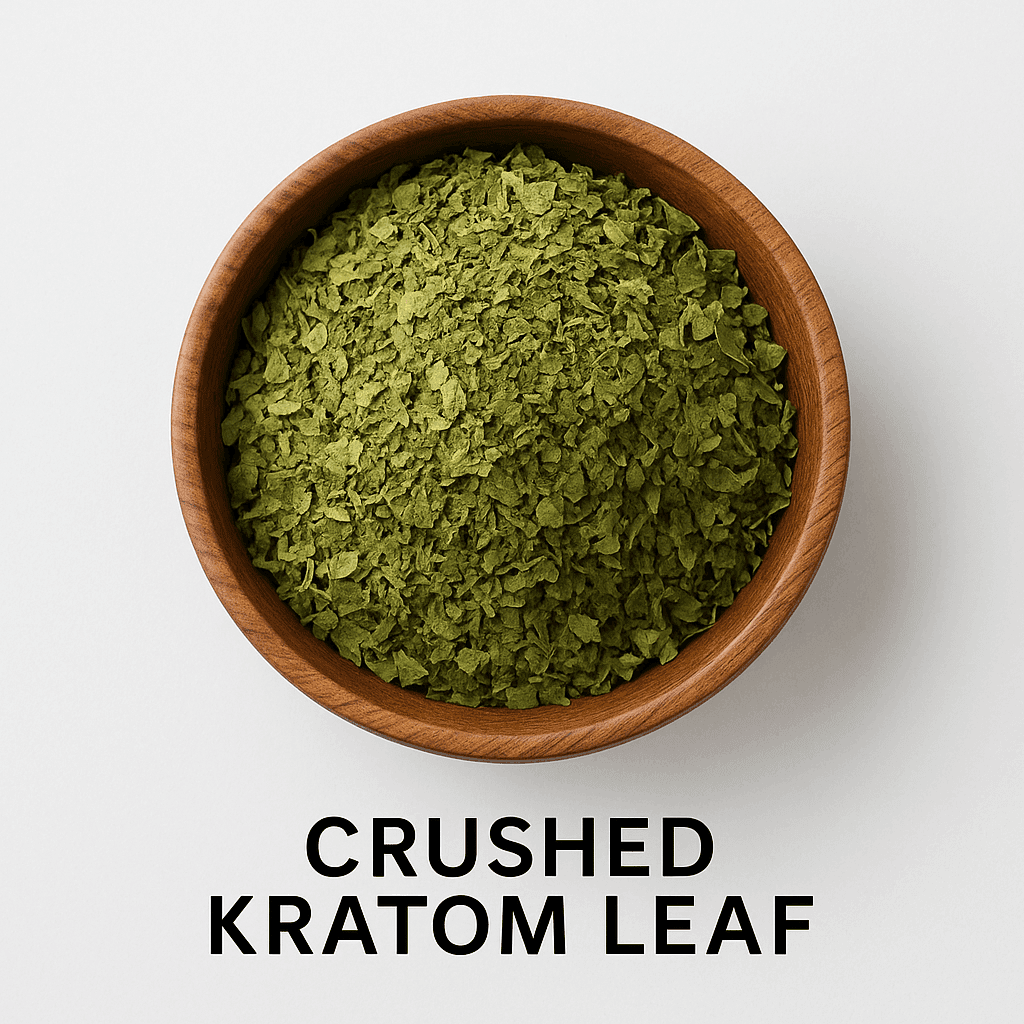
Kratom remains legal at the federal level, but state and local laws have been changing quickly. If you're ordering online, the most important thing is simple: know the law where you live. This guide is a plain-English overview — not legal advice — so always confirm your current local rules before ordering.
The Big Picture in 2026
Kratom is not a federally scheduled substance. Most states regulate it rather than ban it — often through a Kratom Consumer Protection Act (KCPA) that sets a 21+ age minimum, requires honest labeling, and calls for third-party testing. A handful of states restrict or ban it outright, and a few counties and cities have their own rules even where the state allows it.
Where Kratom Is Restricted
A small number of states have full bans, and the list shifts as legislation moves. Because it changes so often, we don't ship where kratom is prohibited, and we check your state at the time of your order. If you're unsure, text us and we'll tell you straight.
Legal Alternatives for Restricted States
If traditional kratom isn't available where you are, two close botanical relatives are widely sought as alternatives: Mitragyna Javanica and Mitragyna Hirsuta. They come from the same plant family but have different alkaloid profiles, and are currently unscheduled at the federal level — though, as always, you should confirm your own state and local laws first.
The Bottom Line
Kratom policy is a moving target, and we believe in regulation and honesty over hype. We support age limits, third-party testing, and clear labeling — and we're always glad to help you understand your options. When in doubt, reach out before you order.
These statements have not been evaluated by the Food and Drug Administration. These products are not intended to diagnose, treat, cure or prevent any disease. These products are not meant to be sold to or used by persons under the age of 21. Please confirm the legality of any product in your state or locality before ordering.